SCHOOL // 01 — MAKER FAIRE 2026 · IN PROGRESS
Multi-Purpose Chemistry Test Station
Four lab tools. One station. One microcontroller.
Modern chemistry experiments mean juggling multiple separate tools at once — inefficient, inaccurate, and cluttered. Each component exists commercially on its own, but no integrated product combines all four functions. The advantage of this design is consolidation: everything you need in a single station.
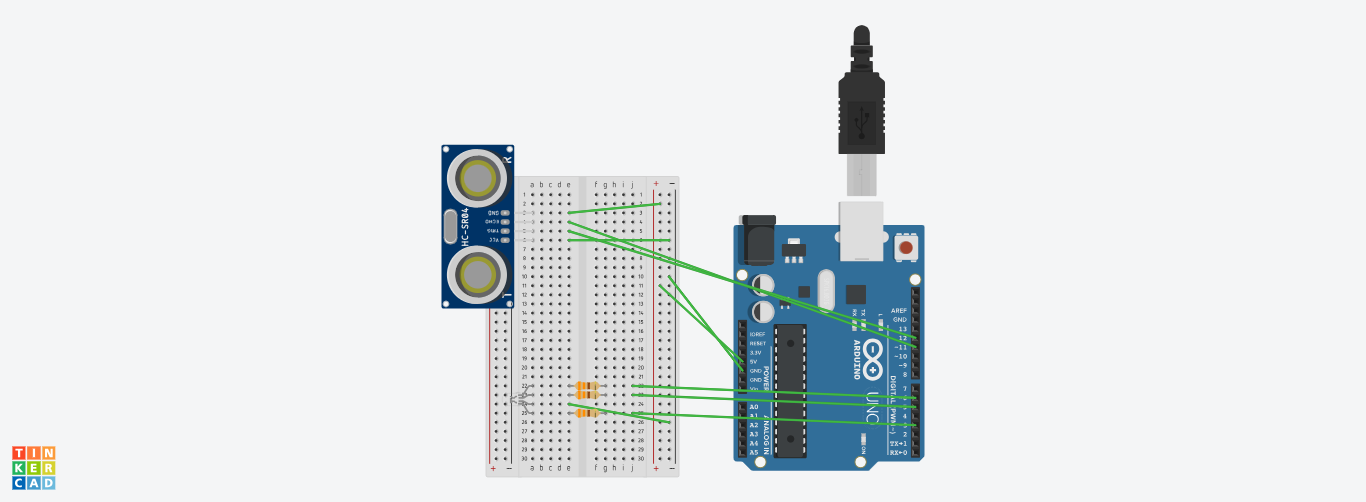
The build: a magnetic stirrer driven by a rotating magnetic field, a servo-controlled vial pourer running on PWM signals, a load-cell scale, and a 20×4 LCD display interface, combined into one 3D-printed station. A single microcontroller coordinates everything in real time — it processes the analog signals from the load cells, applies calibration equations, and manages concurrent operations across multiple sensors and outputs simultaneously. The 3D-printed chassis has to stay rigid and stable while supporting active components in operation.
The 16.5 weeks run through four phases — brainstorming, parts research, prototype construction, and testing — under Makerspace safety guidelines: no hazardous chemicals, no pressurized systems, no open flames.
Where it stands
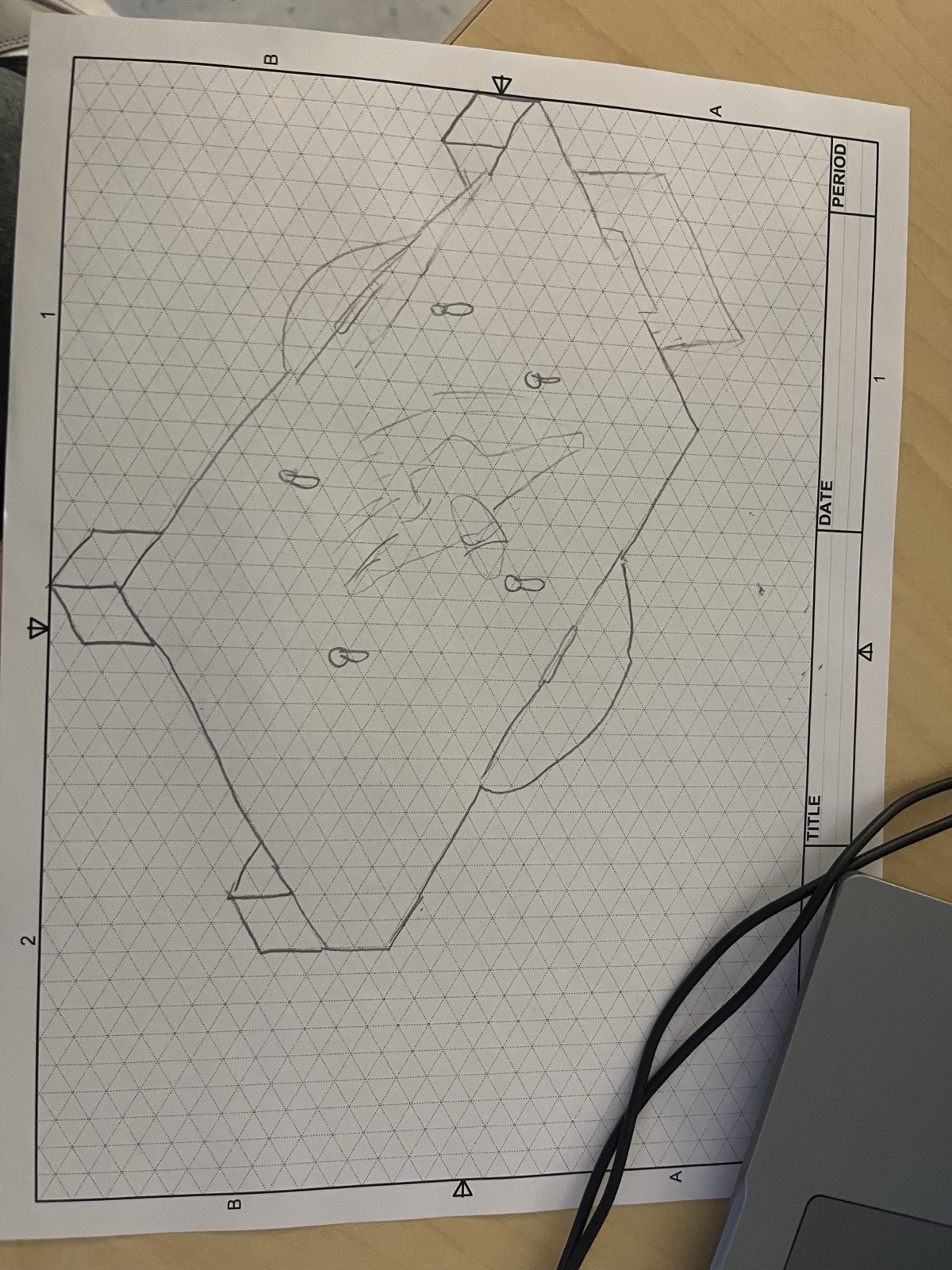
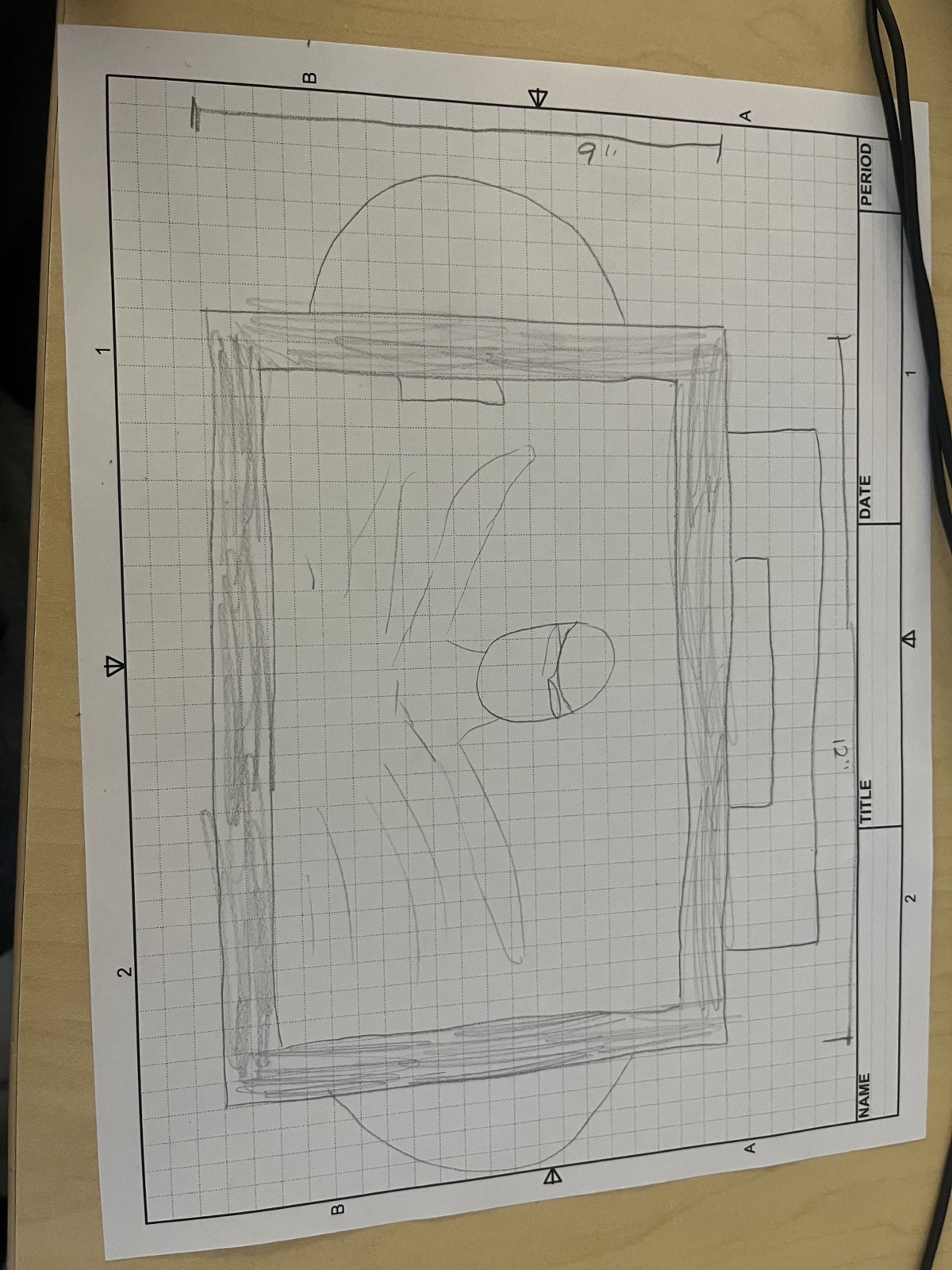
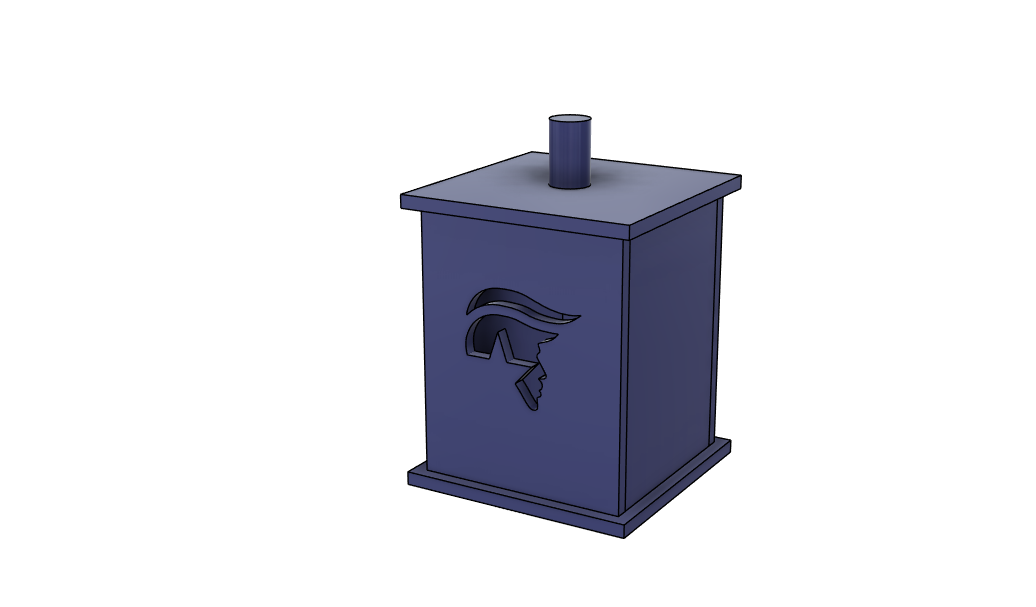
Modeled in CAD as five printable parts: the magnetic stirrer base, a holder for the PTFE magnets on the motor, the scale, the vial pourer, and an insert that changes the servo's direction. The code combines load-cell calibration with custom servo and LCD control. The project spans electronics, microcontroller programming, mechanical engineering, and chemistry principles like stoichiometry and liquid-transfer accuracy — what makes it distinct isn't any one component, it's their integration into one cohesive, calibrated, user-friendly station. A model for affordable, compact lab automation at the student level.
Presenting at the Glenbrook South Maker Faire — May 13, 2026.
- Magnetic stirring
- Servo control
- Load cells
- LCD
- 3D printing
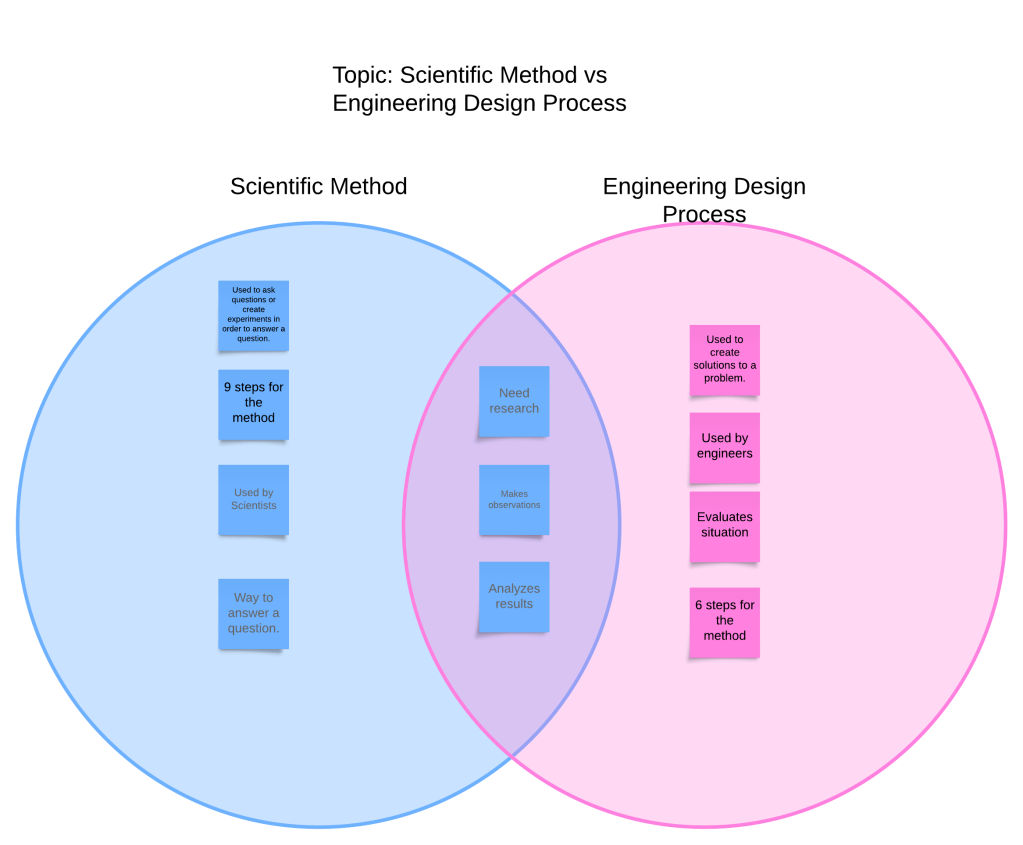
- Engineering design process